Tables are essential surfaces that support daily activities, from dining to desk work and collaborative brainstorming. Understanding table construction, materials, and finish helps users select pieces that balance durability, aesthetics, and functionality. This category explores how table design influences stability, cleanliness, and long-term usability in residential and professional environments.
Material choices for tables significantly impact weight, maintenance, and resilience. Common options include hardwoods, veneers, metals, and engineered composites, each offering distinct benefits such as wear resistance, moisture tolerance, and ease of repair. Recognizing these properties aids in selecting a table that aligns with room conditions and usage patterns.
Finish and detailing affect both protection and appearance. Durable finishes resist scratching and staining while maintaining color fidelity over time. Edge profiles, joinery, and leg construction contribute to overall stability and ease of upkeep. Understanding these elements supports informed decisions about table longevity and ergonomic suitability.
In the context of bedding-related spaces, tables can function as bedside surfaces, workstations, or display stands for essentials like books, lamps, and personal items. Considering size, height, and clearance ensures comfortable seating, efficient workflow, and accessible storage, reinforcing how table choice complements bedding arrangements and daily routines.
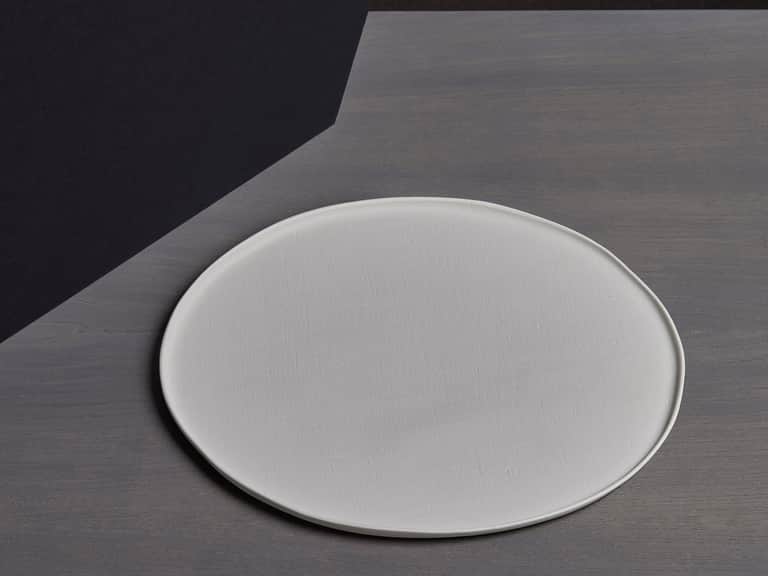
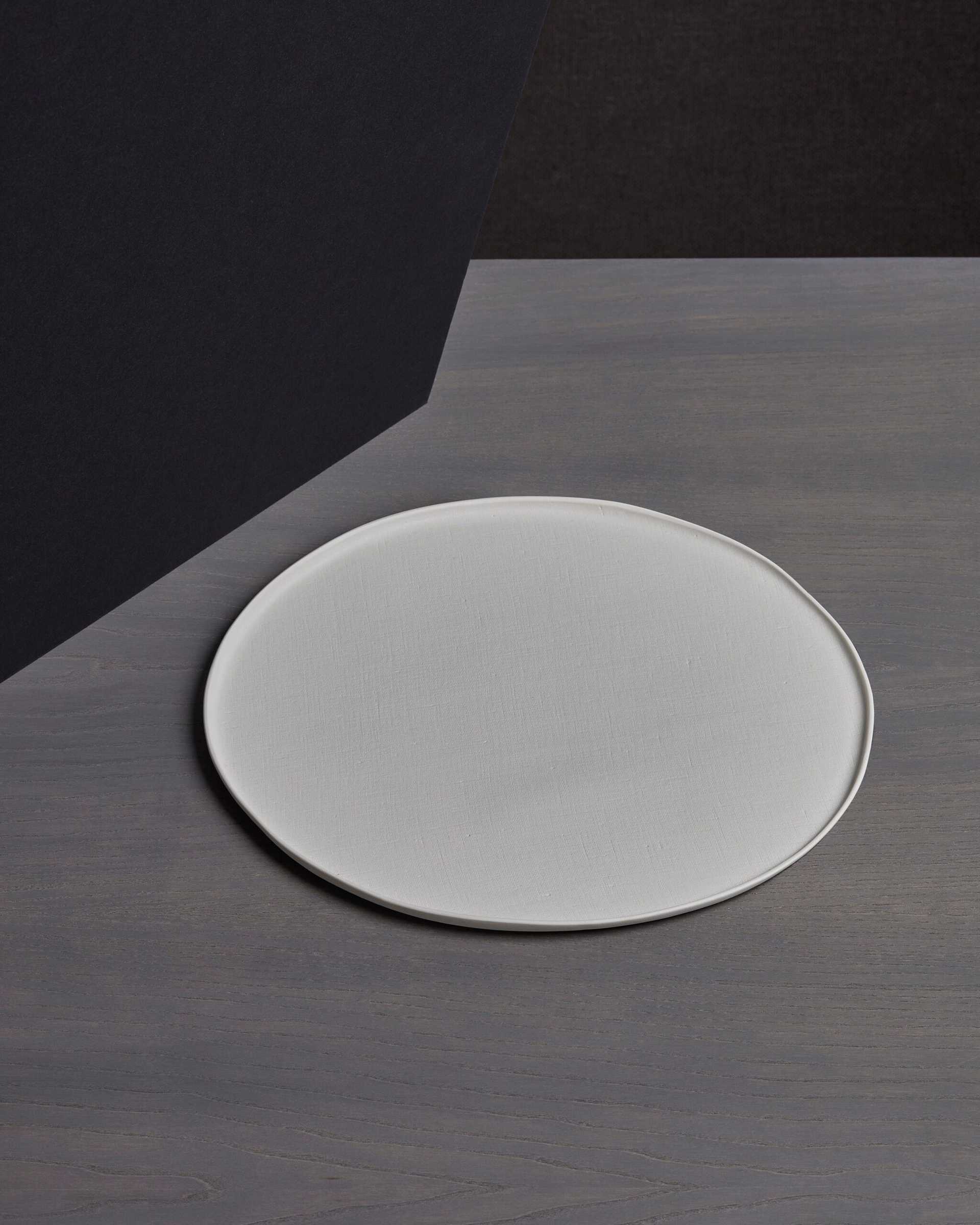
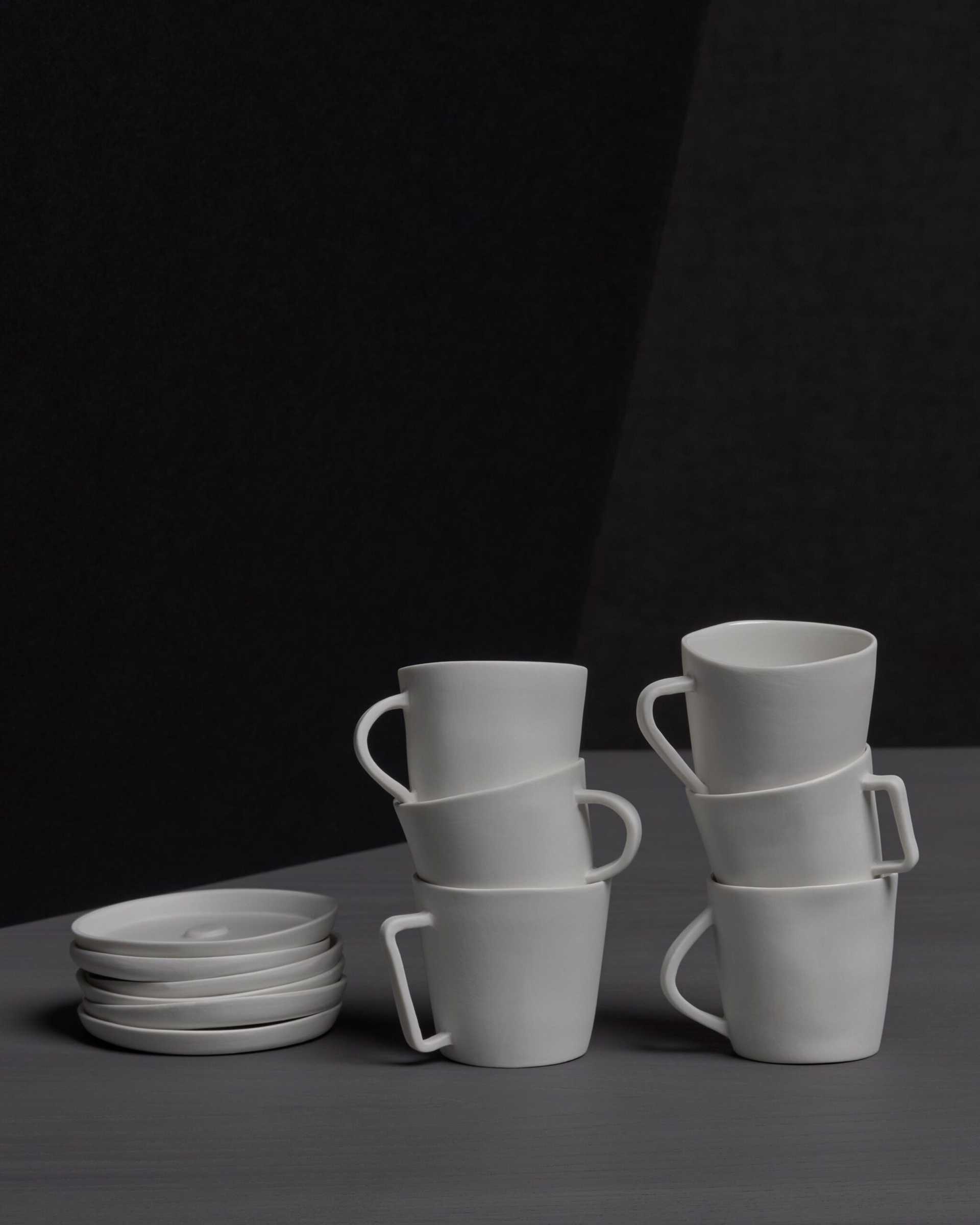
Representative examples include items such as the Buto Cake Plate, Buto Espresso Cups, and Buto Espresso Cups variants, illustrating how table accessories integrate with tabletop usability and presentation. These pieces demonstrate practical applications like meal service, beverage preparation, and casual dining, while emphasizing form, function, and compatibility with diverse interior styles.
 Table
Table